
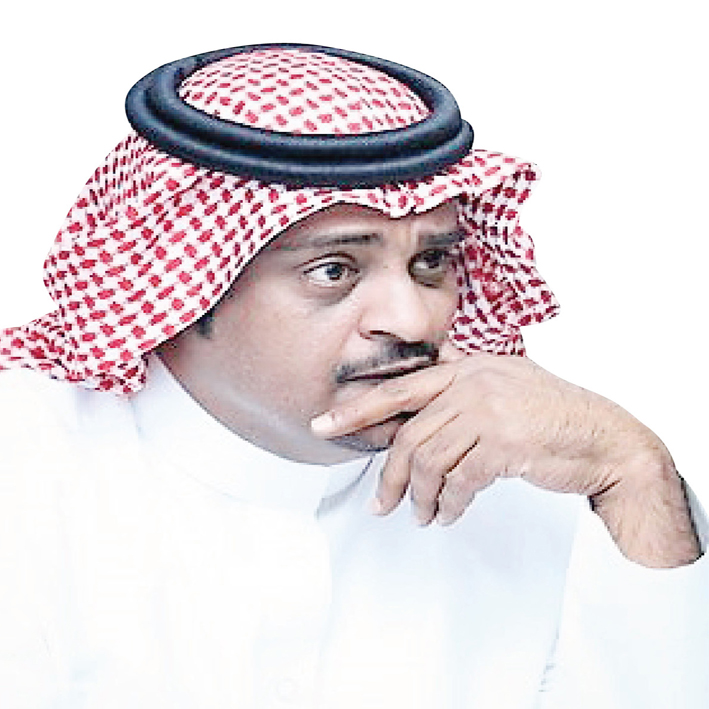

تتابع جريدة مانشيت تفاصيل «إنفانتينو.. ظالم أم مظلوم؟ – أخبار السعودية»، في ضوء المعلومات المتاحة حتى الآن، مع الحرص على تقديم الوقائع المؤكدة وتجنب أي معلومات غير موثقة.
في زيورخ، حيث اعتادت كرة القدم أن توزع الحلوى والفرح والبهجة والقرارات على العالم، تستعد المدينة السويسرية الخميس 15 أكتوبر لاستقبال موقعة لا تشبه مباريات اللعبة، فلا مدرجات تصرخ، ولا صافرة حكم تعلن البداية، ولا كرة تتدحرج بين الأقدام. هناك، خلف الأبواب المغلقة، ستتدحرج مليارات الدولارات فوق طاولة مجلس الاتحاد الدولي لكرة القدم، ويجلس جياني إنفانتينو في مواجهة أسئلة ربما لم يتوقع أن تأتيه من رفاق الأمس.
إنها موقعة المال والسلطة، أو محاكمة سياسية بلا قاض، ومحاسبة مؤسسية لم تتحدد نتائجها، ومحاصرة لرئيس اعتاد أن يكون في مقدمة الصورة، فإذا بالصورة تضيق حوله. وبين الاتهام والدفاع يطل السؤال: هل إنفانتينو ظالم أم مظلوم؟
بدأت الحكاية في 28 يوليو الماضي، حين خرج مشروع فيفا فوروارد إنتربرايز (FFE) من مكاتب الاتحاد الدولي، حاملا فكرة الاستعانة بمستثمرين مقابل حصص في المصالح التجارية لبعض بطولات فيفا. قيل إن المشروع يفتح خزائن جديدة لتنمية كرة القدم، لكن الذين اعترضوا رأوا في تلك الخزائن أبوابا قد تفضي إلى بيع شيء من مستقبل اللعبة.
لم يعش المشروع طويلا. أربعة أيام كانت كافية لطي أوراقه، لكنها لم تكن كافية لإطفاء الحريق. فالخلاف لم يعد حول مشروع سحب من التداول، وإنما حول اليد التي كتبته، والعقول التي أجازته، والمجلس الذي يفترض أن يعلم قبل أن يعلم الآخرون.
في 18 سبتمبر، بعث ألكسندر تشيفيرين، رئيس الاتحاد الأوروبي، وفيكتور مونتالياني، رئيس الكونكاكاف، رسالة تطالب بمراجعة مستقلة لاحتياطيات فيفا، وتوزيع عشرة ملايين دولار إضافية على كل اتحاد من الاتحادات الوطنية البالغ عددها 211 اتحادا، أي ما مجموعه ملياران ومئة وعشرة ملايين دولار.
إنها أموال هائلة، لكنها في حسابات المطالبين ليست سوى جزء من احتياطيات يتوقعون أن تبلغ نحو ستة مليارات دولار بنهاية العام. وهم يقولون إن كرة القدم تستطيع أن تنفق على أبنائها دون أن تبيع شيئا من حقوقها للمستثمرين.
أما إنفانتينو، فلا يغلق باب التمويل، لكنه يطالب بحسابات مدققة وضمانات مالية وموافقات مؤسسية قبل الالتزام بالتوزيع. وهنا تصبح المسألة أعقد من خلاف بين رجل يريد الإنفاق وآخر يريد الادخار؛ إنها معركة بين رؤيتين لإدارة ثروة صنعتها اللعبة وجماهيرها.
وقبل موقعة الخميس، جاءت رسالة أخرى من تشيفيرين ومونتالياني، كشفت عنها الصحافة المتخصصة في 12 أكتوبر، لتعيد الحسابات إلى الطاولة وتطالب بإجابات حول مشروع (FFE). وكأن سحب المشروع لم يعد كافيا، فالمطلوب هذه المرة معرفة كيف ولد، ومن وقف خلفه، ولماذا وصل إلى تلك المرحلة قبل أن يختفي.
ثم دخلت النرويج على الخط، لا برسالة احتجاج عابرة، بل بطلبات فحص أمام لجنتي الأخلاقيات والحوكمة والتدقيق والامتثال في فيفا. وشملت الملفات المشروع الاستثماري ومسائل أخرى أثارت الجدل.
وهنا ينبغي ألا نخلط بين الشكوى والإدانة. فالاتهام ليس حكما، والاشتباه ليس جريمة مثبتة، ومجلس فيفا ليس محكمة جنائية. لكن مجرد انتقال الخلاف من المراسلات إلى الأجهزة الرقابية يكشف حجم الشرخ الذي أصاب جدران المؤسسة.
وفي المشهد الآسيوي، يحضر الشيخ سلمان بن إبراهيم آل خليفة، رئيس الاتحاد الآسيوي، ضمن النقاشات المتعلقة بالتمويل والاحتياطيات. وهو حضور يمنح القضية امتدادا يتجاوز أوروبا والكونكاكاف، دون أن يعني بالضرورة قيام تحالف انتخابي موحد ضد إنفانتينو.
أما في برلين، فقد تجاوز الحديث حدود الأموال إلى أفكار لإعادة توزيع الصلاحيات داخل فيفا، والفصل بين القيادة السياسية والإدارة التنفيذية، وتعزيز استقلال الرقابة والأخلاقيات. وكأن المعترضين لا يريدون مراجعة دفتر الحسابات وحده، بل إعادة كتابة قواعد إدارة البيت كله.
ولأن كرة القدم لا تنسى صناديق الاقتراع، فإن انتخابات 2027 تقف في خلفية المشهد، حتى وإن أعلن تشيفيرين ومونتالياني اهتمامهما بمواصلة قيادة اتحاديهما. فالخلاف على الحوكمة شيء، والمنافسة على الرئاسة شيء آخر، وإن التقت المصالح أحيانا عند مفترق الطريق.
ويبقى السؤال: ماذا ينتظر إنفانتينو يوم الخميس؟
قد يناقش المجلس زيادة التمويل، وقد يطلب مراجعة مستقلة، وقد يحيل ملفات إلى جهاتها المختصة. لكن شيئا من ذلك لم يصبح قرارا بعد، ولن تكون العبرة بما يقال خلف الأبواب، بل بما يخرج منها إلى الاتحادات التي تنتظر الحقيقة قبل الأموال.
لقد توسعت مسابقات فيفا في عهد إنفانتينو، وتعاظمت إيراداتها وطموحاتها، وهذه حقائق لا يصح محوها بسبب خلاف سياسي أو إداري. لكن النجاح الاقتصادي لا يمنح صاحبه حصانة من المساءلة، مثلما لا تمنح المعارضة أصحابها صك البراءة من الحسابات والأغراض والمصالح.
في النهاية، ليست المليارات ملكا لإنفانتينو ولا لتشيفيرين ولا لمونتالياني. إنها أموال كرة القدم، تلك اللعبة التي بدأت بأقدام حافية وانتهت إلى خزائن لا يعرف أصحاب الأحلام الصغيرة كيف اتسعت لكل هذه الأصفار.
ولعل المفارقة أن مشروعا أراد جلب أموال جديدة انتهى بفتح معركة على الأموال الموجودة، ثم تحول إلى سؤال أكبر من الجميع: من يملك القرار؟
أما إنفانتينو، أهو ظالم أم مظلوم؟ فلا تكفي الرسائل للإجابة، ولا تكفي الابتسامات أمام الكاميرات لنفي الشبهات.
في زيورخ قد لا يصدر حكم، لكن الخميس سيكشف من يطالب بالحساب، ومن يملك الإجابة، ومن يستطيع أن ينظر إلى كرة القدم دون أن يرى في خزائنها صورته وحده، وكيف تقفز المنظمة الدولية فوق كل خلافاتها.
In Zurich, where football used to distribute sweets, joy, happiness, and decisions to the world, the Swiss city is preparing on Thursday, October 15, to host a confrontation unlike any match in the game—there are no screaming stands, no referee’s whistle to signal the start, and no ball rolling between feet. There, behind closed doors, billions of dollars will roll across the table of the FIFA Council, with Gianni Infantino facing questions he perhaps did not expect to come from yesterday’s companions.
This is a battle of money and power, or a political trial without a judge, and an institutional accountability whose outcomes are yet to be determined, surrounding a president who is used to being at the forefront of the picture, only to find the picture closing in around him. Between accusation and defense, the question arises: Is Infantino unjust or wronged?
The story began on July 28, when the FIFA Forward Enterprise (FFE) project emerged from the offices of the international federation, carrying the idea of bringing in investors in exchange for shares in the commercial interests of some FIFA tournaments. It was said that the project opens new coffers for the development of football, but those who objected saw those coffers as doors that could lead to selling part of the future of the game.
The project did not last long. Four days were enough to fold its papers, but they were not enough to extinguish the fire. The dispute was no longer about a project withdrawn from circulation, but about the hand that wrote it, the minds that approved it, and the council that was supposed to be informed before others.
On September 18, Aleksander Čeferin, the president of UEFA, and Victor Montagliani, the president of CONCACAF, sent a letter demanding an independent review of FIFA’s reserves and the distribution of an additional ten million dollars to each of the 211 national federations, totaling two billion one hundred and ten million dollars.
These are huge sums, but in the accounts of the claimants, they are merely part of reserves they expect to reach around six billion dollars by the end of the year. They argue that football can spend on its own without selling any of its rights to investors.
As for Infantino, he does not close the door on funding, but he demands audited accounts, financial guarantees, and institutional approvals before committing to distribution. Here, the matter becomes more complicated than a disagreement between a man who wants to spend and another who wants to save; it is a battle between two visions for managing a wealth created by the game and its fans.
Before Thursday’s confrontation, another message came from Čeferin and Montagliani, revealed by the specialized press on October 12, bringing the accounts back to the table and demanding answers regarding the (FFE) project. It seems that withdrawing the project was no longer enough; this time, what is required is to know how it was born, who stood behind it, and why it reached that stage before disappearing.
Then Norway entered the fray, not with a passing protest letter, but with requests for examination before FIFA’s ethics and governance and audit and compliance committees. The files included the investment project and other issues that sparked controversy.
Here, we should not confuse complaints with condemnation. An accusation is not a judgment, suspicion is not a proven crime, and FIFA’s council is not a criminal court. However, the mere transfer of the dispute from correspondence to regulatory bodies reveals the extent of the rift that has affected the institution’s walls.
In the Asian scene, Sheikh Salman bin Ibrahim Al Khalifa, the president of the Asian Football Confederation, is present in discussions related to funding and reserves. His presence gives the issue an extension beyond Europe and CONCACAF, without necessarily implying the establishment of a unified electoral alliance against Infantino.
In Berlin, the discussion has gone beyond financial matters to ideas for redistributing powers within FIFA, separating political leadership from executive management, and enhancing the independence of oversight and ethics. It seems that the objectors do not want to merely review the accounts ledger, but to rewrite the rules for managing the entire house.
And because football does not forget the ballot boxes, the 2027 elections loom in the background, even if Čeferin and Montagliani have expressed their interest in continuing to lead their federations. The dispute over governance is one thing, and the competition for the presidency is another, even if interests sometimes converge at a crossroads.
The question remains: What awaits Infantino on Thursday?
The council may discuss increasing funding, it may request an independent review, and it may refer files to their relevant authorities. But none of that has become a decision yet, and the lesson will not be in what is said behind closed doors, but in what emerges from them to the federations that await the truth before the money.
FIFA’s competitions have expanded under Infantino’s reign, and its revenues and ambitions have grown, and these are facts that cannot be erased due to a political or administrative dispute. However, economic success does not grant its owner immunity from accountability, just as opposition does not grant its holders a certificate of innocence from accounts, purposes, and interests.
In the end, the billions do not belong to Infantino, Čeferin, or Montagliani. They are the money of football, that game that began with bare feet and ended up in coffers that the owners of small dreams do not know how they expanded to hold all these zeros.
Perhaps ironically, a project that aimed to bring in new money ended up opening a battle over existing funds, and then transformed into a question bigger than everyone: Who holds the decision?
As for Infantino, is he unjust or wronged? Messages alone are not enough to answer, nor are smiles in front of cameras sufficient to dispel suspicions.
In Zurich, a judgment may not be issued, but Thursday will reveal who demands accountability, who holds the answers, and who can look at football without seeing only their own image in its coffers, and how the international organization leaps above all its disputes.
وتعمل الجهات المعنية على استكمال المتابعة والتحقق من التفاصيل المرتبطة بالموضوع، بينما تبقى البيانات الرسمية هي المرجع الأساسي لأي تطورات جديدة أو قرارات لاحقة.
وتواصل جريدة مانشيت متابعة المستجدات، وسيتم تحديث هذا الخبر فور ورود معلومات إضافية موثوقة، مع الالتزام بالدقة والوضوح واحترام حقوق جميع الأطراف.